Tissue-Engineered Bladder Cancer Model Development Service
Tissue-engineered bladder cancer model refers to a laboratory-created system that mimics the characteristics and behavior of bladder cancer within a controlled environment. At Alfa Cytology, we provide our clients with tissue-engineered bladder cancer models to facilitate early diagnosis, personalized treatment and discovery of novel therapies.
Introduction of Tissue-Engineered Bladder Cancer Model
Bladder cancer drug discovery research faces significant challenges due to the inability of existing models to accurately recapitulate key aspects of bladder cancer biology. This limitation has resulted in a high failure rate, with approximately 95% of new anticancer molecular entities failing in clinical trials.
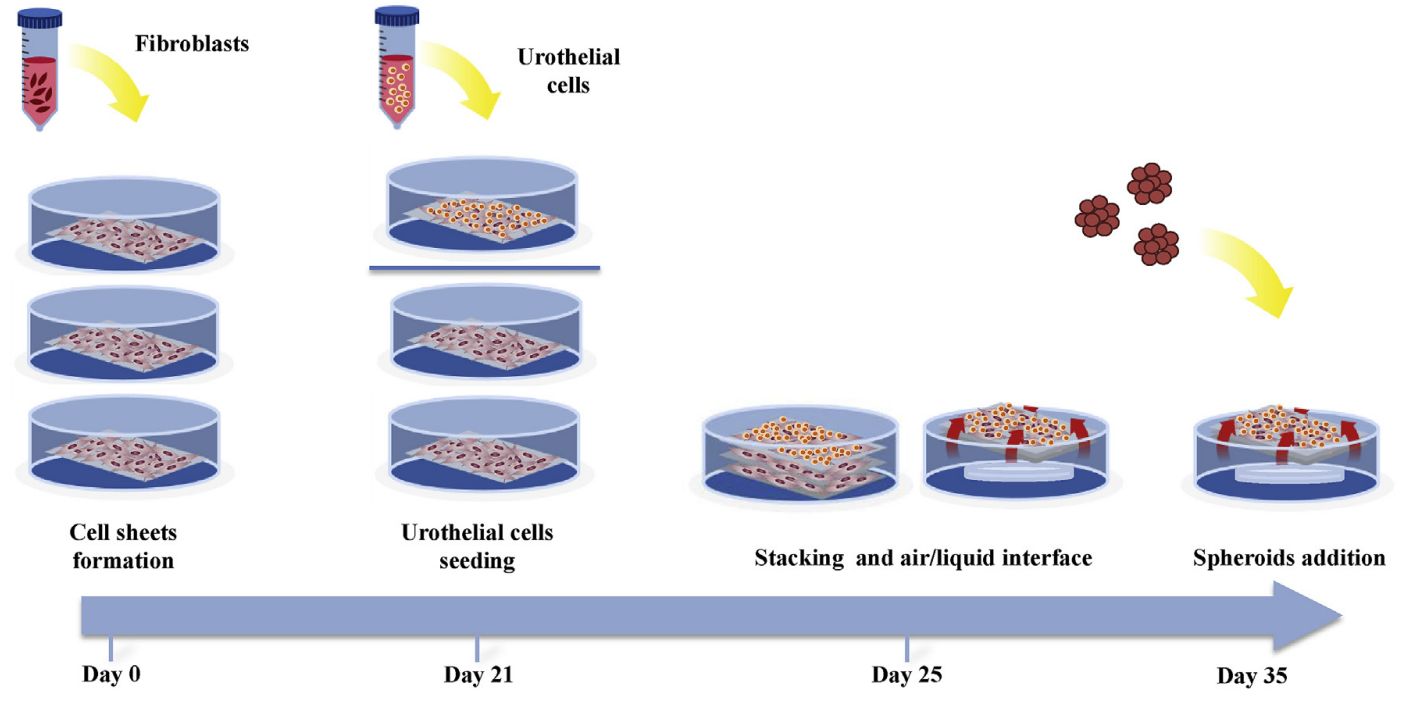 Fig.1 Tissue-engineered 3D bladder cancer model. (Cassandra R. G., et al. 2017)
2D cell culture systems do not recapitulate tumor-stromal organization and complex cellular interactions typically found in natural tumor microenvironments, and xenograft or transgenic animal models do not yield realistic human bladder cancer pathology and have major limitations. With recent advances in tissue engineering, the development of tissue-engineered bladder cancer models has emerged as a promising approach to address this challenge.
Our Services
At Alfa Cytology, we are at the forefront of providing comprehensive preclinical contract research organization (CRO) services in the field of bladder cancer, with a specific focus on tissue-engineered bladder cancer model development. Some of the key services we offer include:
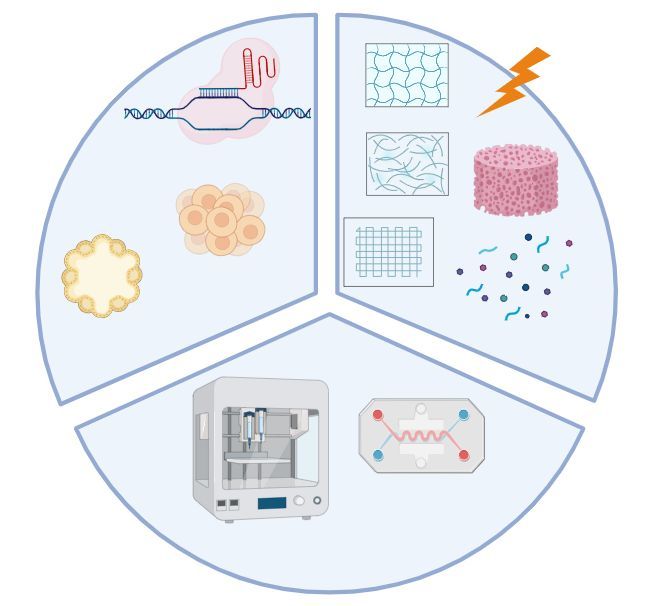
Fabrication Methods
We utilize advanced technologies, such as 3D bioprinting, microfluidics, and scaffold-based approaches, to create intricate and well-defined bladder cancer models.
Biomaterials
We offer a wide array of biomaterials that can be tailored to meet the specific requirements of each research project such as biodegradable scaffold materials and hydrogel.
Our Services Will Help You Achieve the Goals as Follows:
The models offer a more physiologically relevant platform for studying bladder cancer biology, evaluating therapeutic strategies, and advancing personalized medicine approaches. Here are some key applications of tissue-engineered bladder cancer models:
- Evaluate the effectiveness of combination therapies, including drug combinations, targeted therapies, and immunotherapies.
- More accurately reflecting the biology of human bladder cancer.
- Evaluate the efficacy and safety of potential drug candidates and therapeutic strategies.
- Allow researchers to investigate the underlying mechanisms involved in bladder cancer development, progression, and metastasis.
- Investigate drug distribution and penetration into tumor tissues.
- Validate and optimize biomarkers for bladder cancer.
Case Study - Tissue-Engineered 3D Human Bladder Cancer Model
Model Introduction
The tissue-engineered human 3D bladder cancer model reconstructs a full-thickness, endothelialized vesical equivalent using primary human cells, providing a physiologically relevant microenvironment for studying bladder cancer invasion and drug response. It successfully recapitulates key features of both non-muscle invasive (NMIBC) by incorporating compact tumor spheroids into a stratified urothelium overlying a vascularized stromal compartment. It serves as a robust and translatable platform for invasion studies and preclinical drug screening, reducing reliance on animal experiments.
Model Information
- Model: Tissue-Engineered 3D Human Bladder Cancer Model
- Cell Components: Primary human urothelial cells, fibroblasts, endothelial cells (HUVEC), and RT-4 bladder cancer cell lines.
Model Construction
The tissue-engineered 3D bladder cancer model was constructed using the following sequential protocol:
- STEP 1: Stromal Sheet Formation – Fibroblasts and HUVECs were co-cultured with ascorbate for 21 days to form ECM-rich stromal sheets.
- STEP 2: Tissue Assembly – Three stromal sheets were stacked, and primary human urothelial cells were seeded on top.
- STEP 3: Urothelial Differentiation – The construct is cultured for 21 days to promote urothelial maturation and basement membrane formation.
- STEP 4: Tumor Spheroid Integration – RT-4 spheroids were grafted onto the matured vesical equivalent and cultured for up to 28 days.
- STEP 5: Invasion & Drug Testing – Spheroid invasion was tracked microscopically; drug response was assessed via intravesical chemotherapeutic drug treatment and fluorescence-based viability assays.
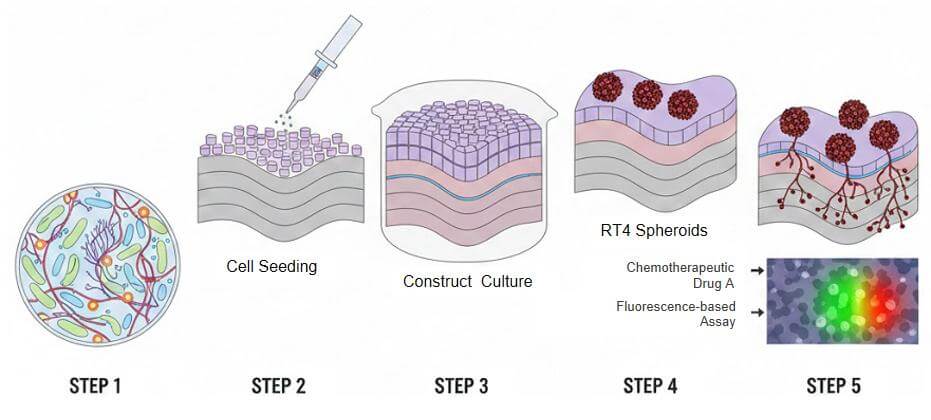 Fig. 2 Schematic workflow for establishing the tissue-engineered 3D human bladder cancer model. (Source: Alfa Cytology)
Model Data
- Recapitulates Native Architecture: The model closely mimics human bladder histology, including stratified urothelium, continuous basement membrane, and vascularized stroma.
- Invasive Behavior: RT4 spheroids remain confined to the urothelium, mirroring clinical NMIBC phenotypes.
- Drug Response Evaluation: Drug A and drug B treatment directly applied to the urothelium significantly reduces tumor fluorescence and invasive cell counts.
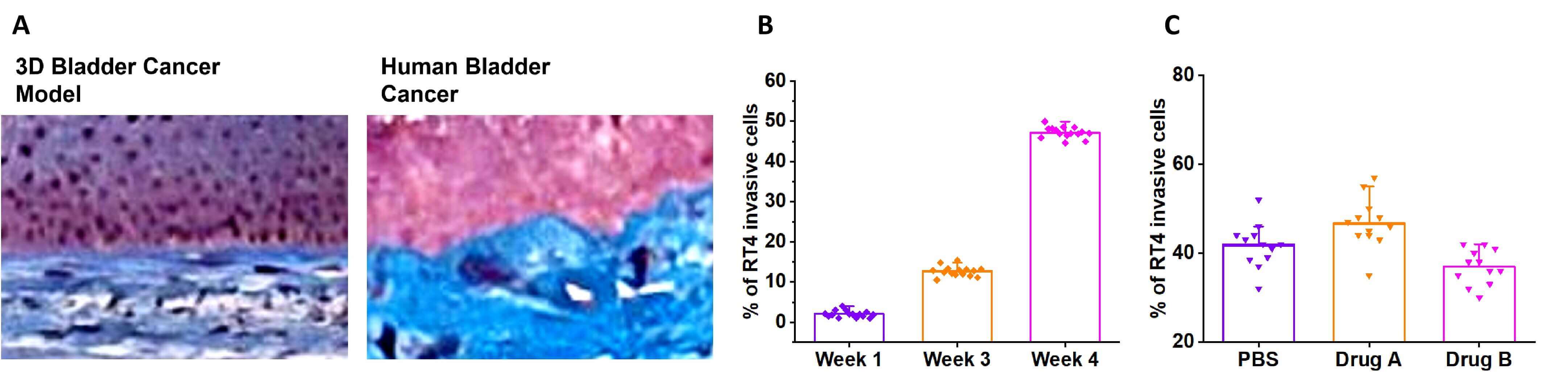 Fig. 3. Validation of the 3D Bladder Cancer Model. (A) Staining comparison between the 3D bladder cancer model and native bladder tissue. (B) Quantitative statistics of RT-4 invasive cells after RT4 spheroid transplantation. (C) Quantification of RT invasive cells in the 3D bladder cancer model after treatment with Drug A/B. Data are presented as mean ± standard error (SEM). (Source: Alfa Cytology)
Contact Us
Alfa Cytology is committed to providing cutting-edge services in tissue-engineered bladder cancer model development. Our team of experts has extensive experience in the field, with a deep understanding of bladder cancer biology and tissue engineering principles. For inquiries about our tissue-engineered bladder cancer model development services, please contact us today.
Reference
- Cassandra R. G., Geneviève B., and et al. Tissue-engineered human 3D model of bladder cancer for invasion study and drug discovery. Biomaterials. 2017, 145, 233-241.
For research use only. Not intended for any clinical use.
Related Services


