Carcinogen-Induced Model Development Service
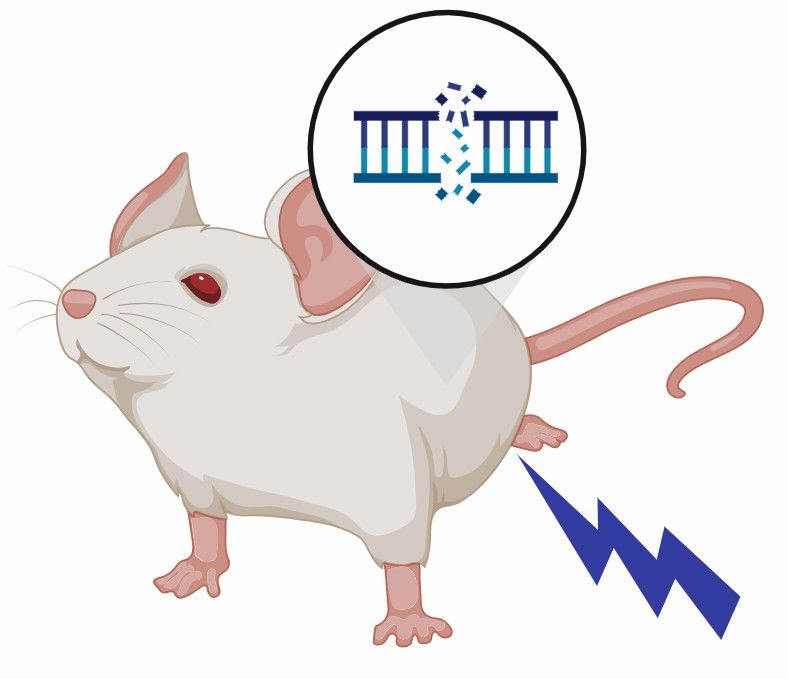
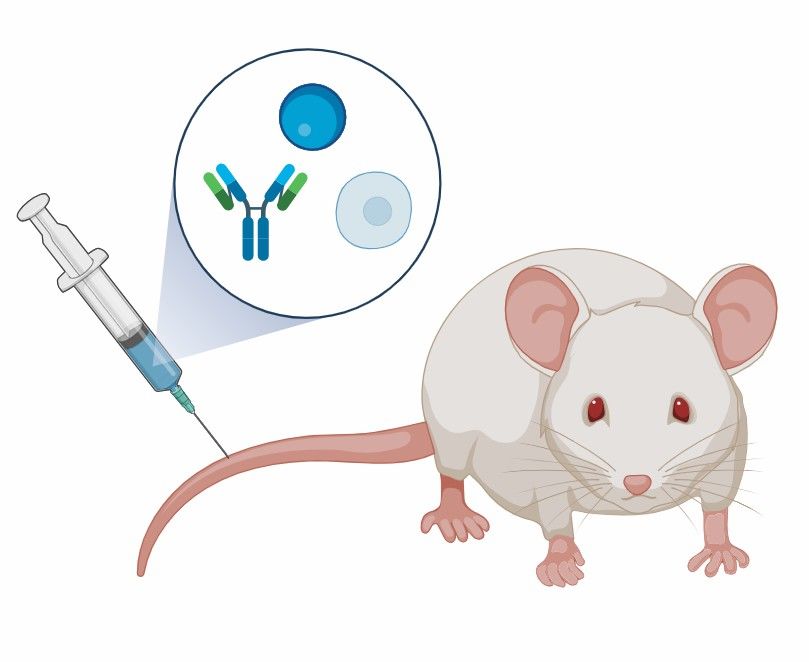
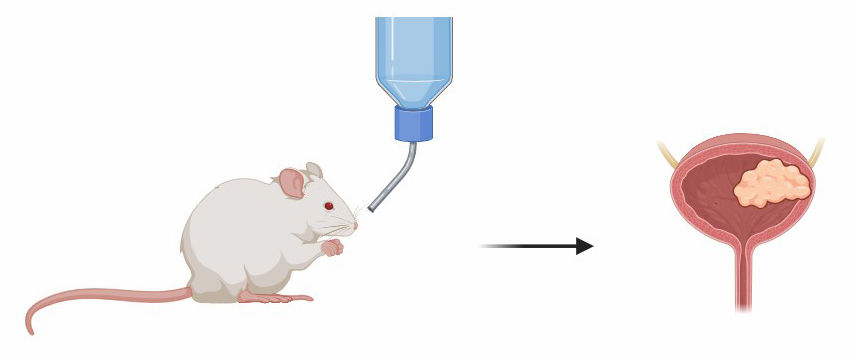
A carcinogen-induced model refers to an experimental animal model in which animals are exposed to specific carcinogens to induce the development of cancer. Alfa Cytology provides customized carcinogen-induced animal model for bladder cancer research.
Carcinogen-Induced for Bladder Cancer
Bladder cancer is a significant health concern worldwide, and research efforts are focused on understanding its development and identifying effective therapeutic strategies. Carcinogen-induced animal models play a crucial role in studying the etiology and progression of bladder cancer. These models involve the administration of specific carcinogens to animals, replicating the process of carcinogenesis observed in humans.
Carcinogen-Induced Model
Carcinogens
Carcinogen-induced models offer several advantages in bladder cancer research, including their relevance to human pathology, controlled exposure to carcinogens, the ability to study stepwise progression, evaluation of preventive and therapeutic strategies, biomarker discovery, and cost-effectiveness.
Our Services
Alfa Cytology, a renowned preclinical contract research organization (CRO), is at the forefront of advancing bladder cancer research through its comprehensive range of customization services for carcinogen-induced models.We provide tailored solutions to support the development of novel therapies for this challenging disease.
We provide animal models of bladder cancer induced by these common carcinogens.
| Our Services |
Advantages |
| N-butyl-N-(4-hydroxybutyl) nitrosamine (BBN)-induced models |
- The pathological features, gene expression, and mutation profile are similar to human bladder cancer;
- The animal model is easy to establish and takes a short duration to develop tumor;
- The animal model is associated with a high rate of tumor formation (up to 100%);
- The immune system of the animal model is intact after induction.
|
| 4-aminobiphenyl (FANFT)-induced models |
- The pathological features of transitional cell carcinoma are similar to human bladder cancer.
|
|
N-Methyl-N-nitrosourea (MNU)-induced models |
- The pathological features of tumor induced by MNU are similar to human bladder cancer;
- The animal model is associated with a high rate of tumor formation (70–100%);
- Tumor induction is manageable.
|
Our Services Will Help You Achieve the Goals as Follows:
- Mechanisms of Carcinogenesis Studies
By exposing animals to carcinogens, we help our clients study bladder tumorigenesis, progression from precancerous lesions to invasive tumors, and the molecular and cellular changes associated with these processes.
- Evaluation of Therapeutic Interventions
By administering drugs to model animals suffering from carcinogen-induced disease, we help clients evaluate therapeutic response, tumor regression, tumor growth inhibition, and potential side effects for bladder cancer therapy.
- Identification of Biomarkers
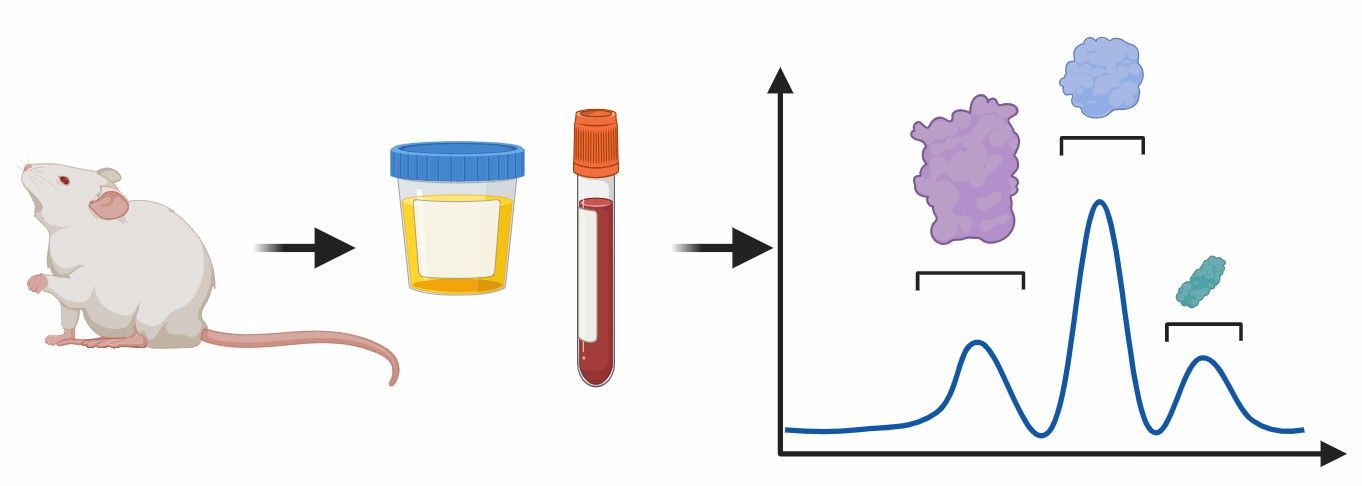
We offer carcinogen-induced models to identify biomarkers associated with bladder cancer development and response to therapy.
Case Study - MNU-Induced Non-Muscle Invasive Bladder Cancer Rat Model
Model Introduction
This model establishes a clinically relevant, immunocompetent platform for studying the tumor immune microenvironment of non-muscle invasive bladder cancer and evaluating the mechanism of action of intravesical immunotherapies, specifically Bacillus Calmette-Guérin (BCG).
Model Information
- Model: MNU-Induced Rat Model of Non-Muscle Invasive Bladder Cancer
- Animals: Female Fischer 344 Rat
- Age: 7-9 Weeks
Model Construction
Female Fischer 344 rats are anesthetized, and a solution of MNU (1.5 mg/kg in 0.3 mL citrate buffer) is instilled into the bladder via a transurethral catheter. The instillation is repeated biweekly for a total of 4 doses. Tumors develop progressively over 16 weeks. At week 8 post-induction (coinciding with the presence of precancerous lesions/dysplasia), animals receive the first of 6 weekly intravesical instillations of BCG.
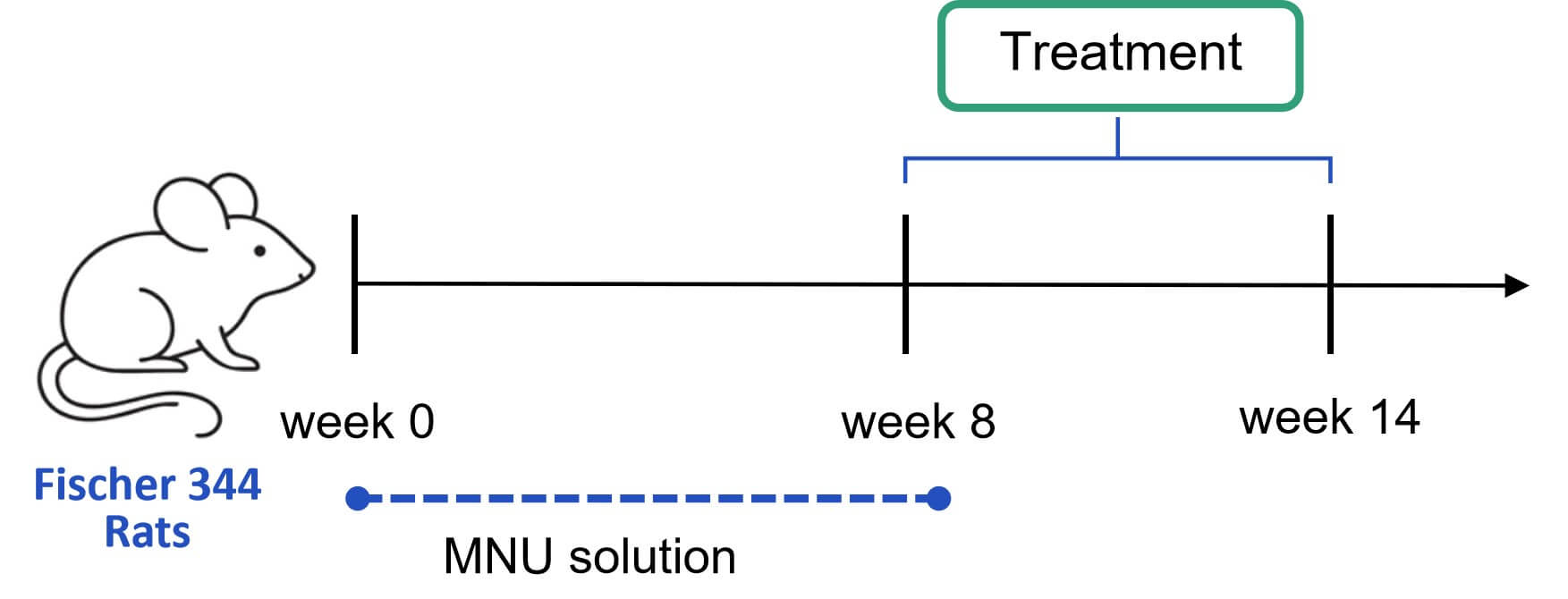 Fig. 1 Workflow of MNU-induced rat model establishment. (Source: Alfa Cytology)
Model Data
- Recapitulation of Human NMIBC Immunology: The model faithfully mimics a key immunosuppressive feature of human cancer progression. Flow cytometry and IHC analysis revealed a significant decrease in the CD8+/FoxP3+ T-cell ratio during tumor development, indicative of a suppressed adaptive immune landscape.
- Antitumor Efficacy: BCG treatment significantly reduced tumor burden and the incidence of invasive disease compared to untreated controls or standard intravesical chemotherapies.
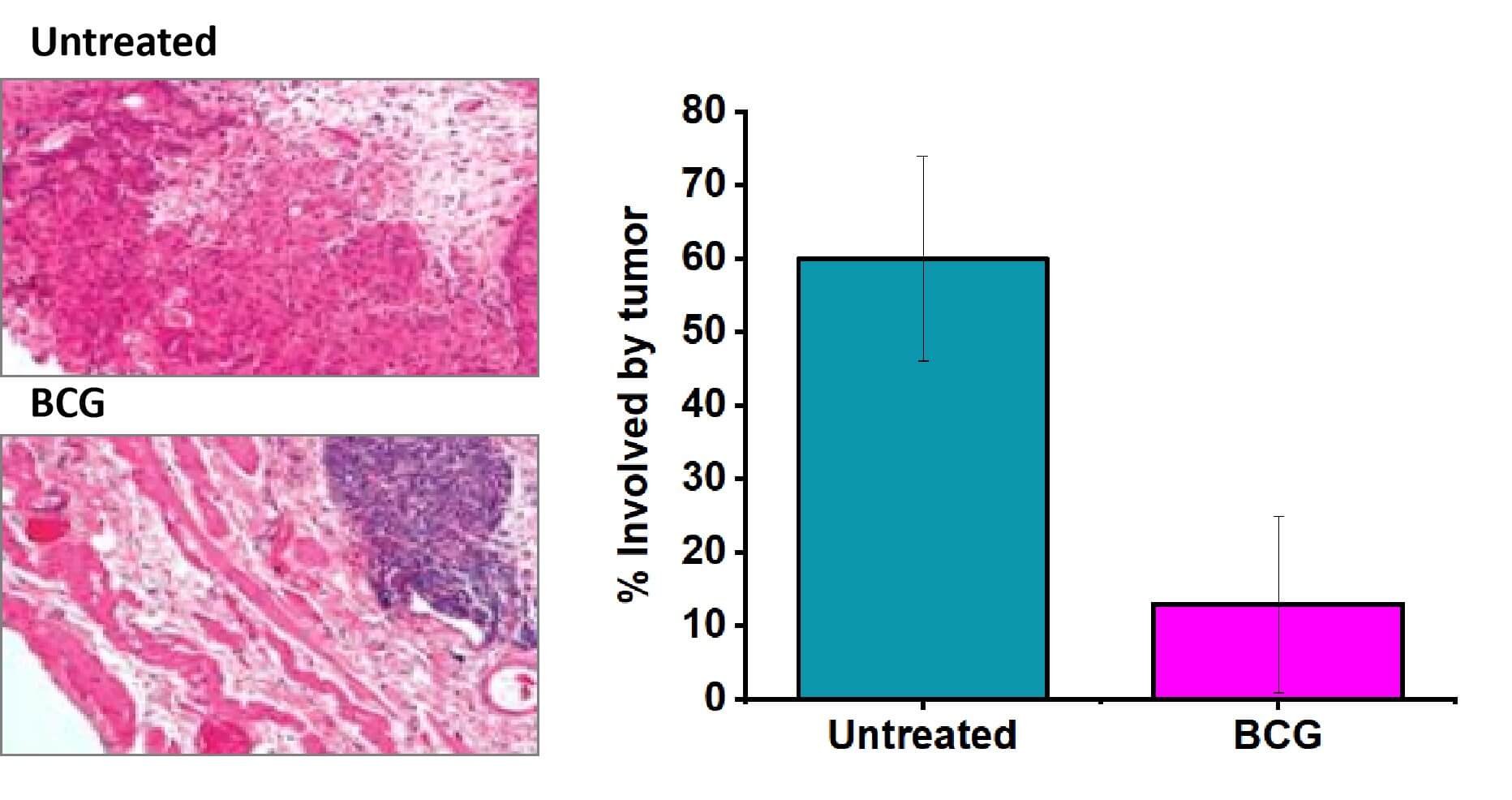 Fig. 2 Characterization and therapeutic response of the MNU-induced rat NMIBC model. Data are expressed as mean ± SEM. (Source: Alfa Cytology)
Contact Us
Alfa Cytology is committed to providing exceptional services and solutions that drive progress in bladder cancer research. Our team is ready to collaborate with you and accelerate your research projects. To learn more about our carcinogen-induced model development services or to discuss your specific needs, please contact us.
Reference
- Shah SD, Gillard BM, and et al. Syngeneic model of carcinogen-induced tumor mimics basal/squamous, stromal-rich, and neuroendocrine molecular and immunological features of muscle-invasive bladder cancer. Front Oncol. 2023, 3, 13: 1120329.
For research use only. Not intended for any clinical use.
Related Services