Patient-Derived Xenograft (PDX) Model Development Service
Patient-derived xenografts (PDX) indeed refer to patient-derived tumor tissue that is transplanted into immunodeficient animals, typically mice, for preclinical research purposes. Alfa Cytology provides customized PDX models for bladder cancer research.
PDX Models for Bladder Cancer
PDX models have been recognized as advanced preclinical oncology drug development models. They are widely used in bladder cancer research and therapeutic development due to their ability to recapitulate the heterogeneity and diversity of bladder cancers more accurately. PDX models can also be propagated by sequential transplantation, thus allowing tumor cells to be expanded and maintained for multiple generations.
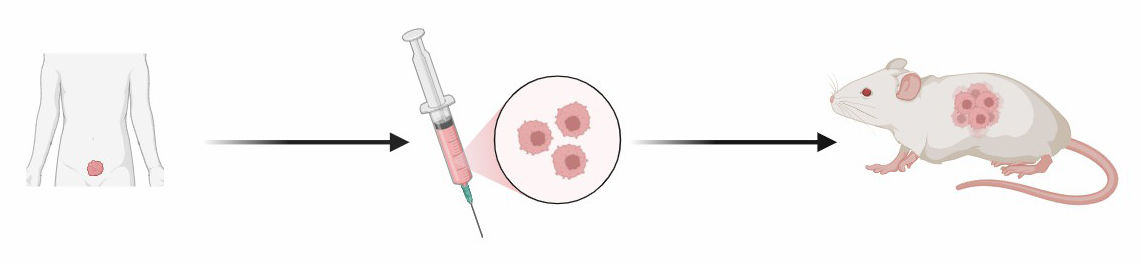
Patient-Derived Xenograft (PDX) Model
Transplant
Immunodeficient mouse
Tumor
Human tumor cells
They offer several advantages that enhance preclinical drug efficacy testing and analysis.
- Tumor Heterogeneity
- Recapitulation of Tumor Microenvironment
- Genetic and Molecular Fidelity
- Predictive Drug Efficacy Testing
- Personalized Medicine
- Biomarker Discovery
Our Services
Alfa Cytology, a leading preclinical Contract Research Organization (CRO), offers a variety of customization services for PDX mouse models to develop novel bladder cancer therapies. Our expert staff can provide you with comprehensive experimental procedures, health reports and relevant experimental data.
Workflow of Our Service
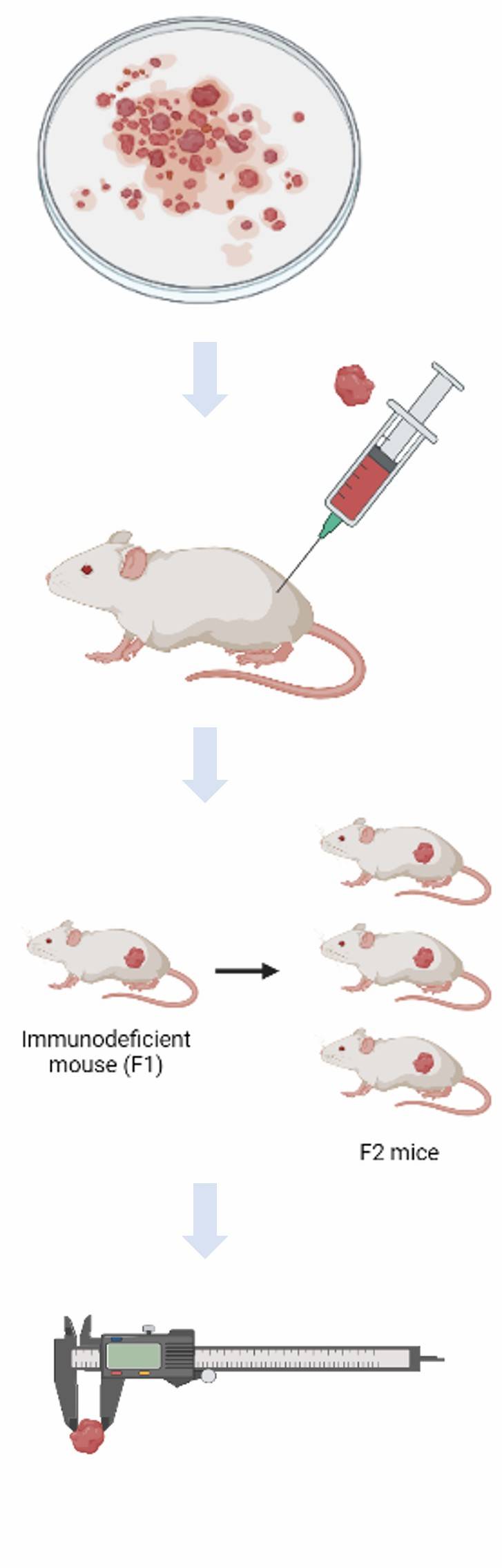
- Sourcing of Samples
We help find and coordinate access to tumor samples and established PDX models. We recovered these models from cryopreservation, implanted and successively retransmitted them to expand and build the models, and then used them to implant groups of mice for therapeutic studies.
- PDX Implantation
Our skilled technicians implant primary patient samples or existing PDX models into immunocompromised mice via a variety of heterotopic and orthotopic methods.
- Serial Repassaging of PDX Models
Appropriately sized implanted tumors are collected after tumorectomy. This tumor tissue is used for serial repassaging into mice to establish the model and for further expansion and secondary implantation/repassaging to produce a study cohort all bearing the same tumor.
- Tumor Growth Monitoring and Measuring, Record-Keeping, Data Entry, Tumor Growth Charts and Passage Charts
Our technicians monitor the mouse models by visual health assessment, weight monitoring and caliper measurements of tumors along with noninvasive monitoring when requested or necessary.
Our Services Will Help You Achieve the Goals as Follows:
PDX models are increasingly being used to enable the following types of preclinical research for bladder cancer:
- New drug development
- Biological toxicity and efficacy testing
- Biomarker and new drug target development
- Bladder cancer heterogeneity studies
Case Study - Bladder Cancer PDX Model in NSG Mice
Model Introduction
The PDX model in NSG mice provides a clinically predictive platform for bladder cancer therapy development. It faithfully maintains the original tumor's histopathology and molecular drivers, features poorly captured by conventional models.
Model Information
Model Details
- Model: Bladder Cancer PDX Model
- Animals: NSG Severe Immunodeficient Mice
- Age: 6-8 Weeks
Patient Information
- Sex: Female
- Race/Ethnicity: White
- Treatment Naïve: Yes
- Age: 77
- Diagnosis: Sarcomatoid Urothelial Carcinoma of the Bladder. (High-grade with sarcomatoid differentiation.)
Model Construction
The model was established by subcutaneously implanting fresh human bladder tumor tissue fragments into NSG immunodeficient mice. To improve engraftment rates, especially for low-proliferative or stroma-rich samples, fragments may be co-implanted with matrigel. After successful engraftment and serial passaging, the established PDX model was used to evaluate the efficacy of standard chemotherapy, such as cisplatin.
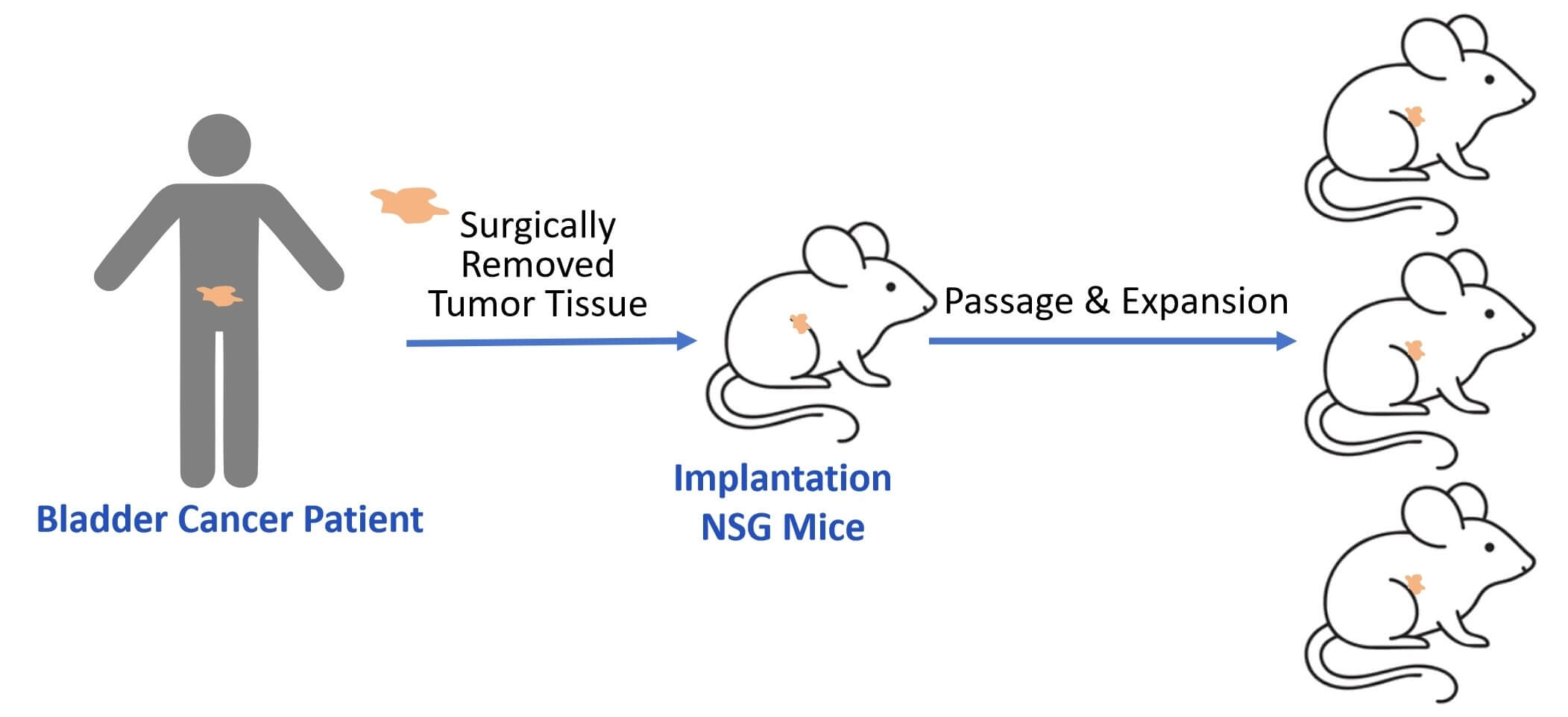 Fig. 1 Workflow of bladder cancer patient-derived xenograft (PDX) model establishment. (Source: Alfa Cytology)
Model Data
- High Histopathological and Molecular Fidelity: Early-passage (P1-P3) PDX models faithfully retain the original patient tumor's histology (including papillary or solid growth patterns, stromal components), biomarker profiles (e.g., CK20, p53, FGFR3 status), and key genetic alterations (e.g., mutations in TP53, PIK3CA, FGFR3, TERT promoter, and DNA damage repair genes), ensuring strong clinical relevance for evaluating platinum-based therapies.
- Reliable Pharmacodynamic Response: The model reliably mirrors clinical drug responses. Standard chemotherapies like cisplatin demonstrated clear tumor growth inhibition, with a response magnitude consistent with the partial efficacy observed clinically in a subset of patients receiving platinum-based chemotherapy.
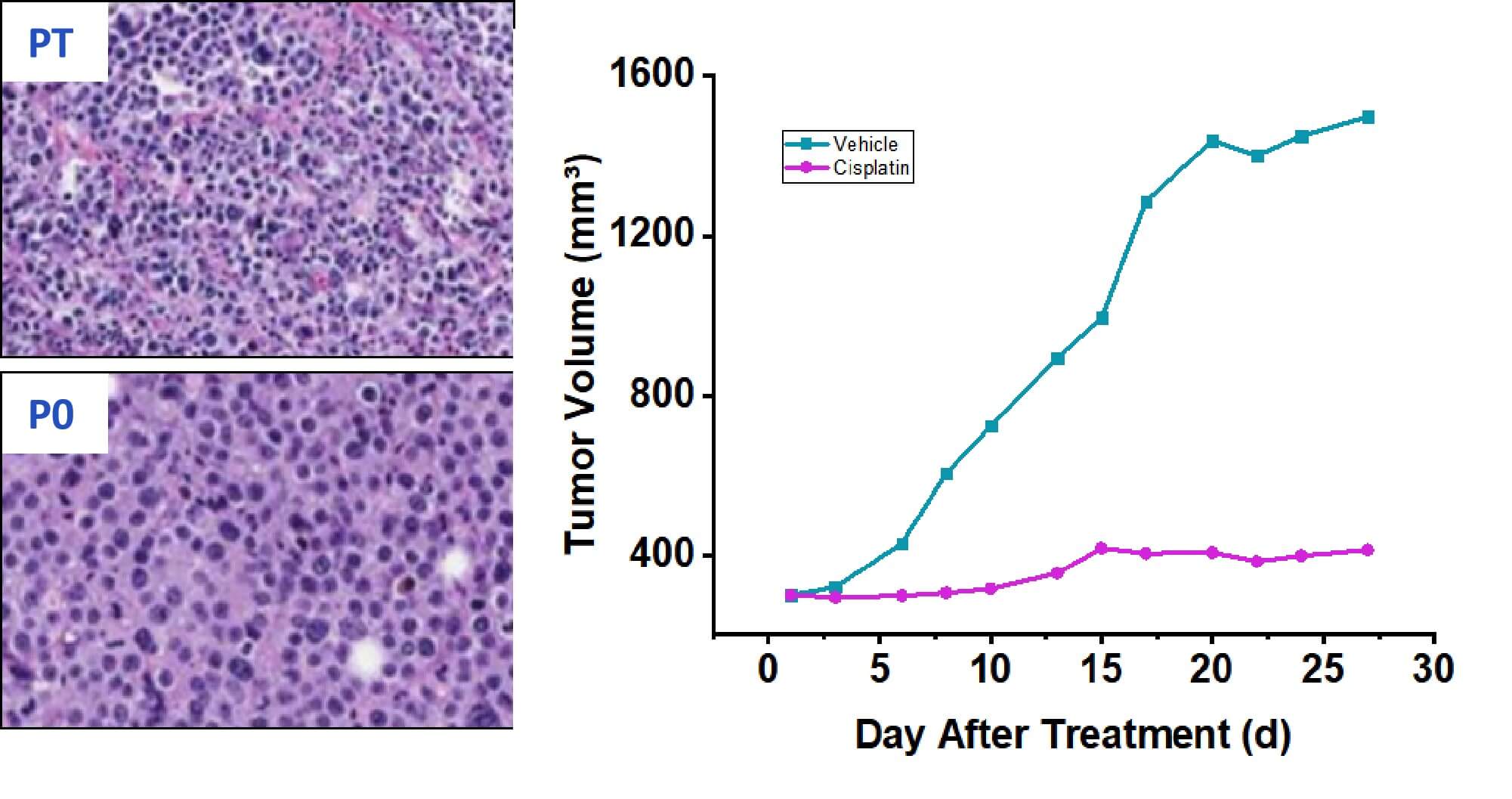 Fig. 2 Histopathological images and tumor response in bladder cancer PDX models.Data are expressed as mean ± SEM. (Source: Alfa Cytology)
Contact Us
Alfa Cytology is dedicated to advancing bladder cancer research through our specialized preclinical CRO services. Our team of highly skilled scientists and experts are ready to collaborate with researchers to accelerate their projects and facilitate the discovery of early diagnosis and treatment solutions for bladder cancer. To learn more about our PDX model development services or to discuss your specific research needs, please contact us.
Reference
- Liu Y., Wu W., and et al. Patient-derived xenograft models in cancer therapy: technologies and applications. Sig Transduct Target Ther. 2023, 8, 160.
For research use only. Not intended for any clinical use.
Related Services


