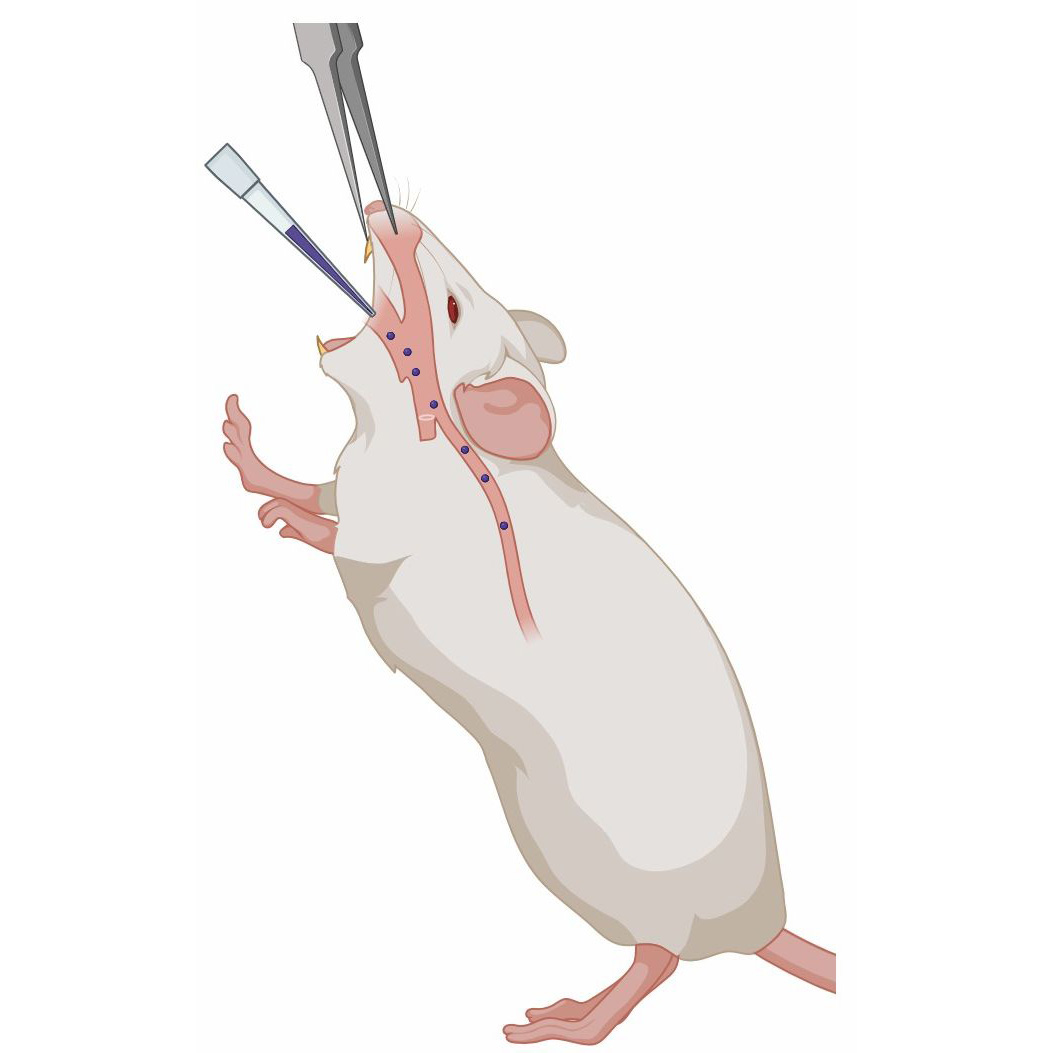
Preconditioned Animal Model Development Service
Preconditioned animal models play a critical role in preclinical research, particularly in the field of bladder cancer. These models are specifically modified or prepared to mimic the biological, genetic, and pathological characteristics of bladder cancer in order to enhance their relevance and translatability to human disease. At Alfa Cytology, we specialize in providing preconditioned animal models for our clients.
Preconditioned Animal Model for Bladder Cancer
Bladder cancer displays significant heterogeneity and encompasses numerous subtypes. The utilization of animal models plays a crucial role in comprehending the biology of bladder cancer and identifying effective therapeutic approaches.
Animal models tailored to closely resemble the biological, genetic, and pathological characteristics observed in human bladder cancer have emerged as invaluable tools in bladder cancer research. These models offer a controlled and suitable setting for studying the disease. Researchers can employ these models to assess different therapy options, such as chemotherapeutic drugs, targeted therapies, immunotherapy, and radiotherapy.
Our Services
Alfa Cytology, a leading provider of preclinical contract research organization (CRO) services, specializes in preconditioned animal model development for bladder cancer. Our services include but are not limited to:
Model Selection
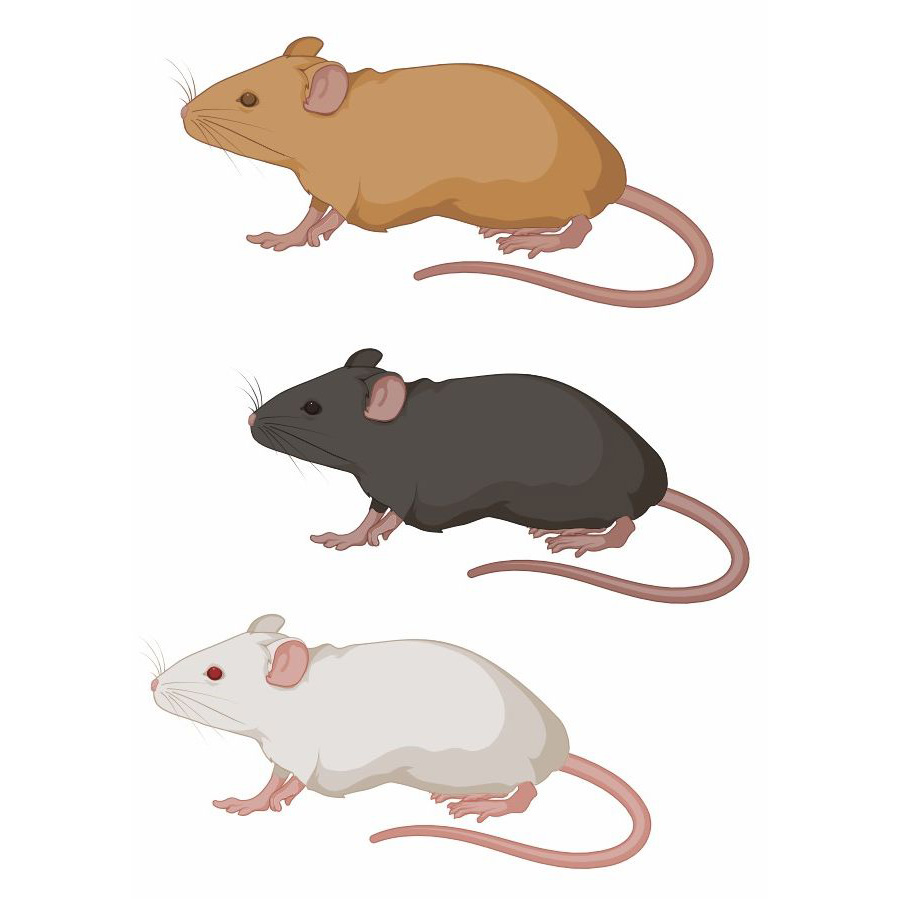
We provide a diverse selection of animal models for bladder cancer research, enabling our clients to choose the most suitable model based on their research objectives. Our solutions includes allogeneic and xenograft models development services, allowing our clients to align their studies with specific goals and requirements.
Tailored Diets
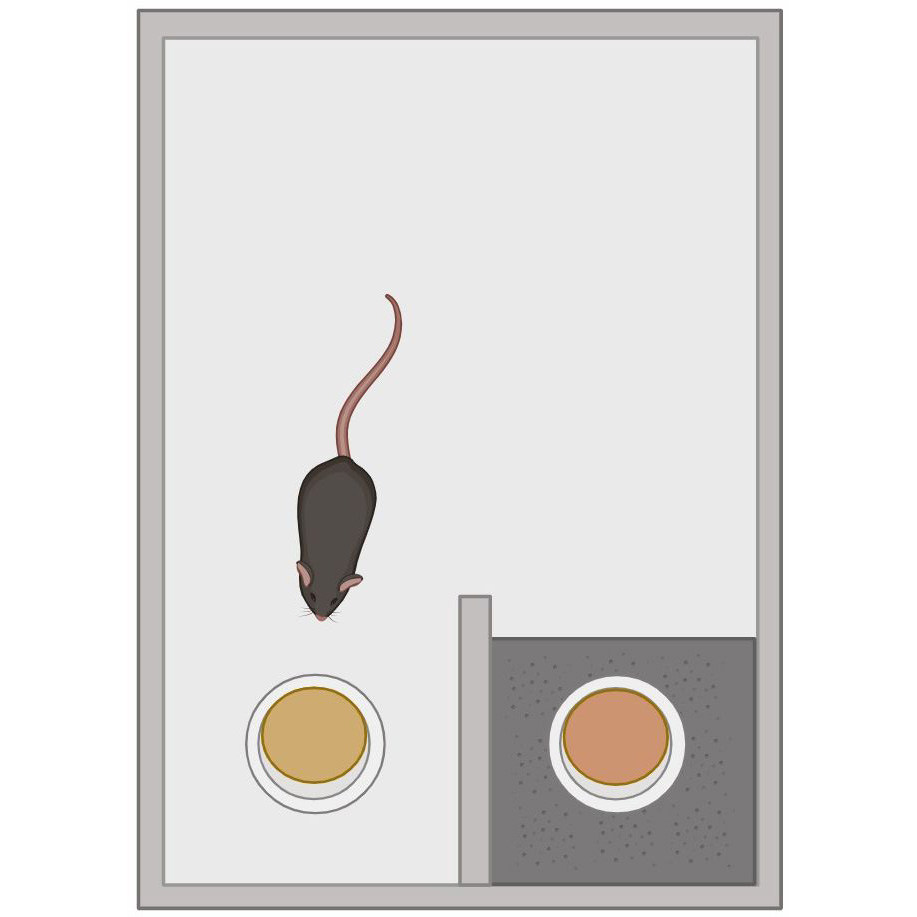
Our facility offers specialized diets designed to replicate the nutritional conditions associated with bladder cancer. These diets can include high-fat compositions or nutrient supplementation, providing our clients with the ability to mimic relevant nutritional factors in their studies.
Surgical Interventions
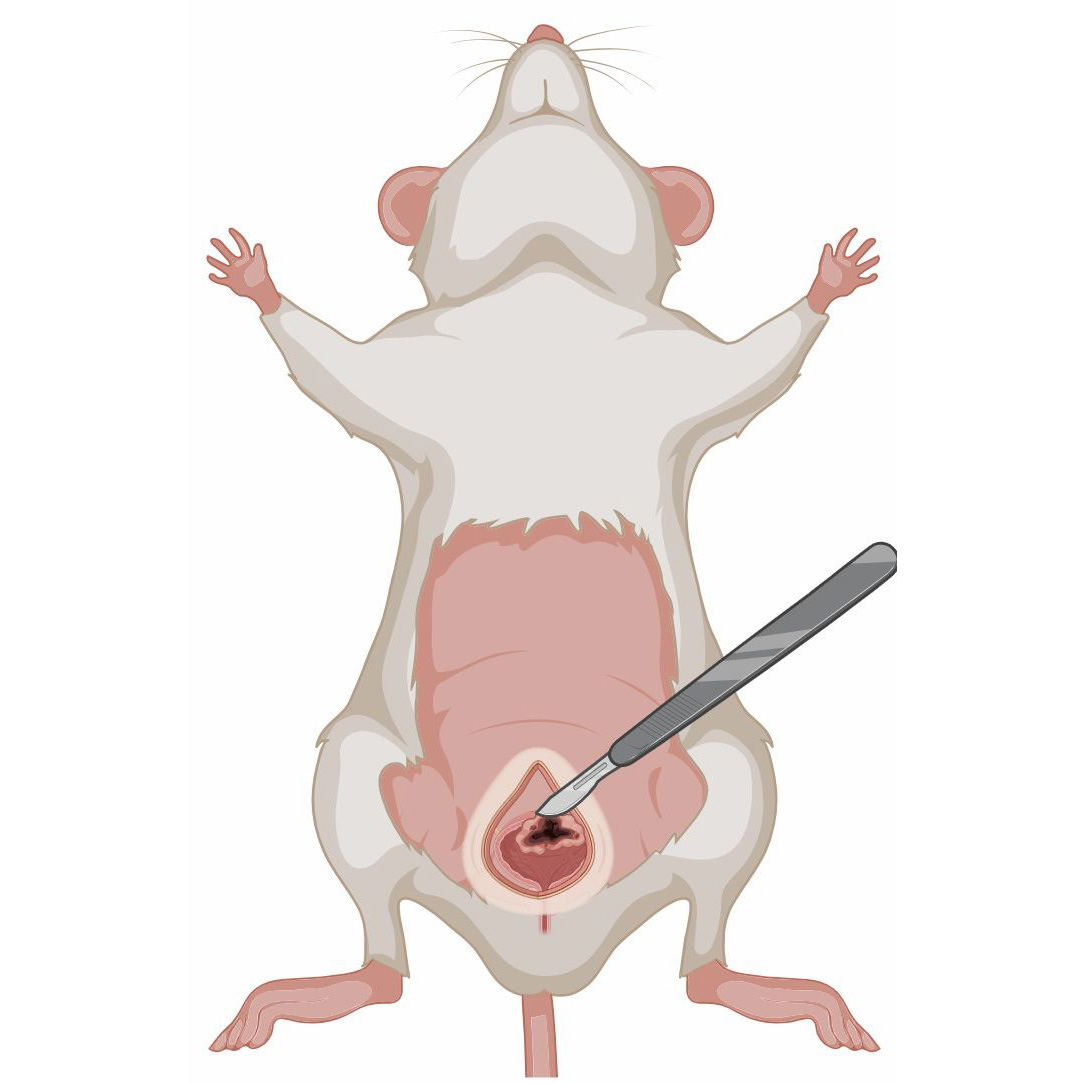
We offer exceptional surgical services that encompass various modifications to replicate key pathological aspects of bladder cancer. These services include tumor cell implantation and the creation of specific lesions, enabling researchers to investigate tumor progression, metastasis, and the efficacy of therapeutic interventions accurately.
Genetic Editing
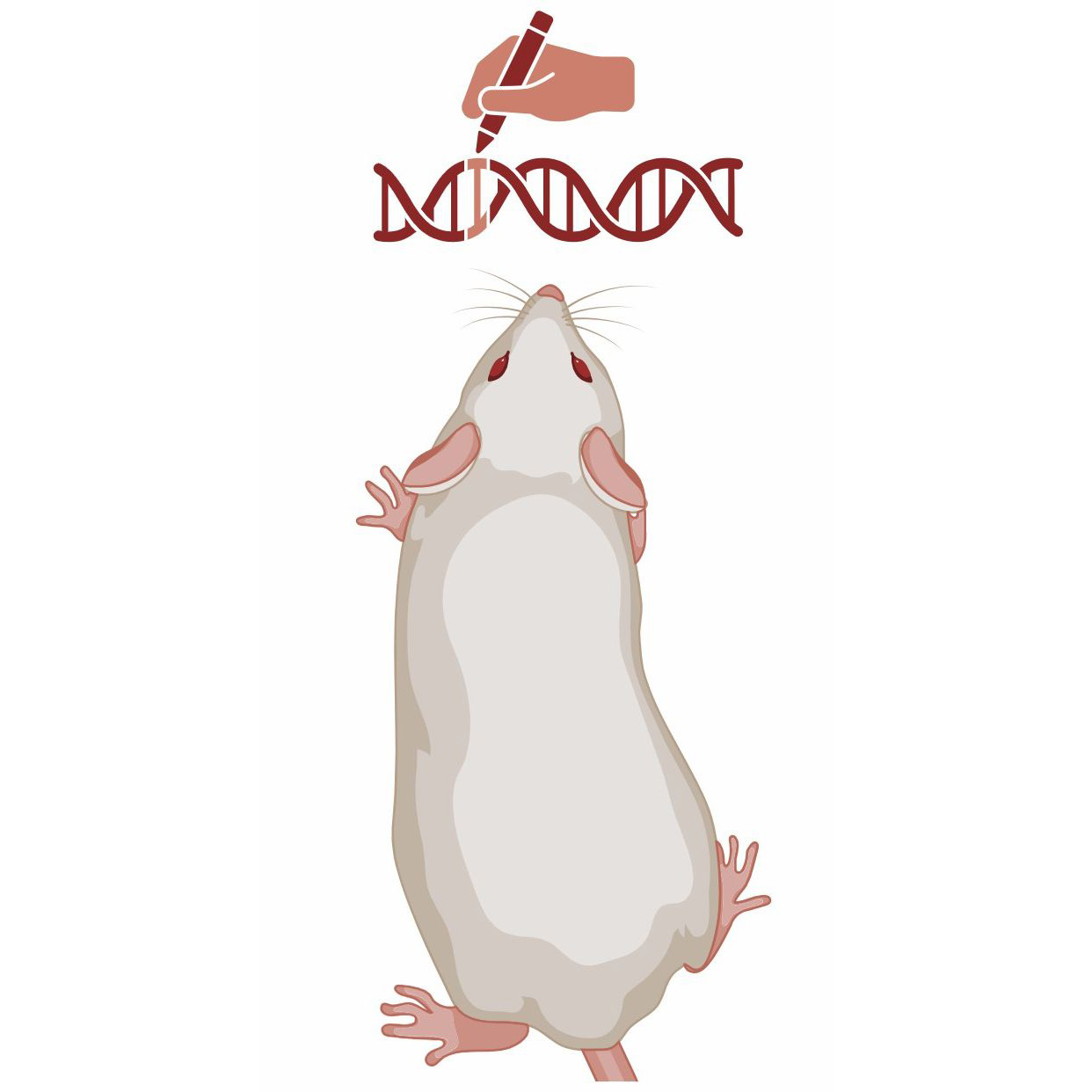
We provide services for genetic manipulation in animal models, including the introduction of specific gene mutations or gene knockouts to investigate the functional significance of genes involved in bladder cancer progression.
Pharmacological Interventions
We offer services for pre-dosing or pre-injection of animals with potential therapeutic agents, such as intraperitoneal or subcutaneous administrations. This enables our customers to assess the efficacy and safety of novel drugs in bladder cancer models.
Our Services Will Help You Achieve the Goals as Follows:
Preconditioned animal models have wide-ranging applications in bladder cancer research. Some notable areas where these models prove invaluable include:
- Mechanistic Studies
- Drug Discovery and Development
- Biomarker Identification
- Personalized Therapeutics
Case Study - Orthotopic Bladder Urothelial Carcinoma Pretreatment Rat Model
Model Introduction
This model is a standardized preclinical platform specifically designed for drug development targeting non-muscle-invasive bladder urothelial carcinoma. Compared to conventional methods that produce tumors with heterogeneous invasion depths, this model provides a highly uniform background of early-stage cancer, making it particularly suitable for evaluating the efficacy of intravesical therapies in inhibiting tumor progression and preventing recurrence.
Model Information
- Model: Orthotopic Bladder Urothelial Carcinoma Rat Model
- Animal: Female Fischer F344 Rat
- Age: 5-7 Weeks
- Key Features: Stable tumor phenotype (high proportion of non-muscle-invasive tumors), high tumor formation rate, and well-defined experimental observation window.
Model Construction
The model is established using a standardized two-step protocol, with the key focus on regulating tumor invasion phenotype through pretreatment.
- Step 1: Bladder Mucosa Pretreatment
In the model presented here, the bladder mucosa is pretreated with a 0.1% poly-L-lysine (PLL) solution. This is in contrast to a control pretreatment using phosphate-buffered saline (PBS), which tends to produce more invasive tumors. The PLL step specifically optimizes the mucosal microenvironment to favor superficial growth rather than deep invasion for tumor cell colonization.
- Step 2: Orthotopic Tumor Inoculation
A suspension of AY-27 bladder cancer cells is instilled orthotopically into the pretreated bladder cavity. The cells grow in this regulated environment, ultimately forming a high-success-rate orthotopic carcinoma model dominated by a non-muscle-invasive phenotype.
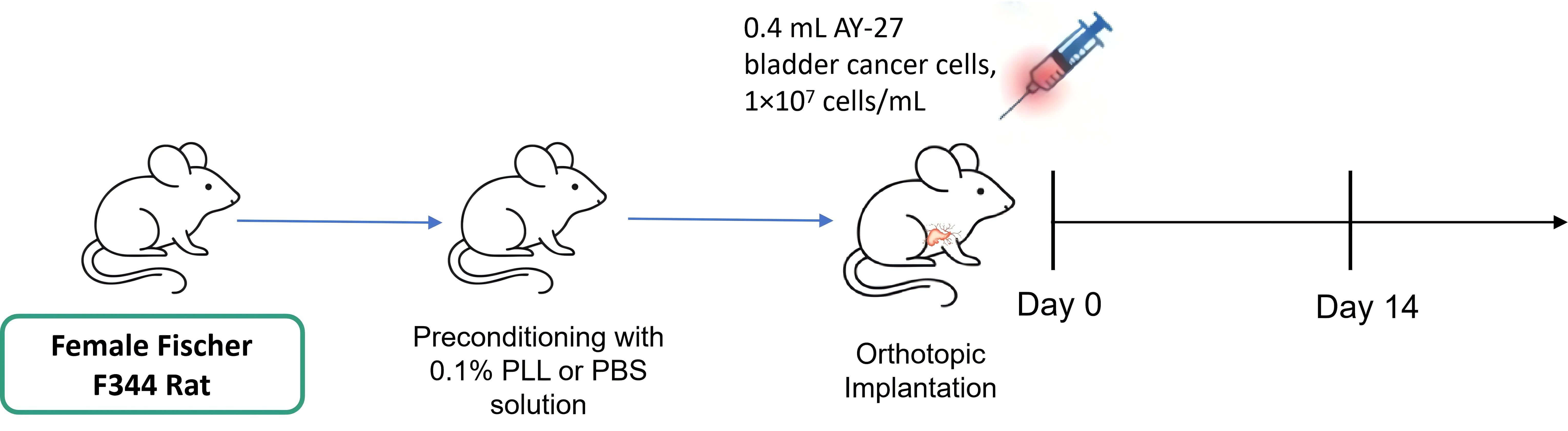 Fig. 1 Workflow of poly-L-Lysine pretreated orthotopic bladder cancer model establishment. (Source: Alfa Cytology)
Model Data
- High Tumor Formation Rate: The model demonstrates a consistently high success rate, with tumor incidence stabilized above 88%.
- Controlled Tumor Phenotype: After PLL pretreatment, over 50% of the induced tumors are non-muscle-invasive (Ta/T1 stage), with typically small tumor volumes, closely simulating the pathological features of human superficial bladder cancer.
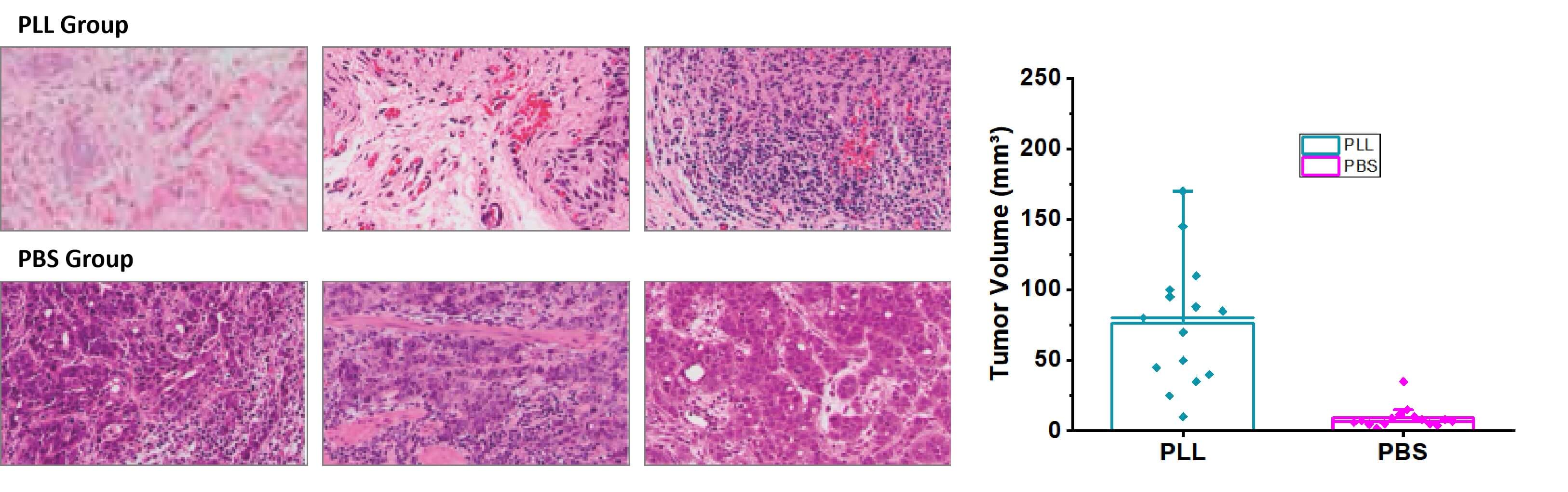 Fig. 2 Effects of poly-L-Lysine pretreatment on tumor growth in a rat model of orthotopic bladder urothelial carcinoma. Data are presented as mean ± standard error (SEM). (Source: Alfa Cytology)
Contact Us
Alfa Cytology, a renowned company in the field of preclinical contract research organization (CRO) services, offers comprehensive solutions for bladder cancer research. we specialize in providing tailored and efficient services throughout the entire research process, from protocol design to project completion. If you have any questions about our preconditioned animal model development service, please contact us today.
For research use only. Not intended for any clinical use.
Related Services