Genetically Engineered Model Development Service
Genetically engineered models (GEMs) refer to any organisms, typically animals, whose genetic makeup has been intentionally altered using genetic engineering techniques. Alfa Cytology provides our clients with customized GEMs for bladder cancer research.
Introduction of Genetically Engineered Mouse Models
GEMs are created by introducing specific genetic modifications into the organism's genome. This can involve gene knockouts (deletion or inactivation of a specific gene), gene insertions (introduction of a new gene), gene mutations (alterations in the DNA sequence of a gene), or modifications in gene expression. GEMs can include not only mice (genetically engineered mouse models or GEMMs) but also other species such as rats, zebrafish, flies, and pigs, among others.
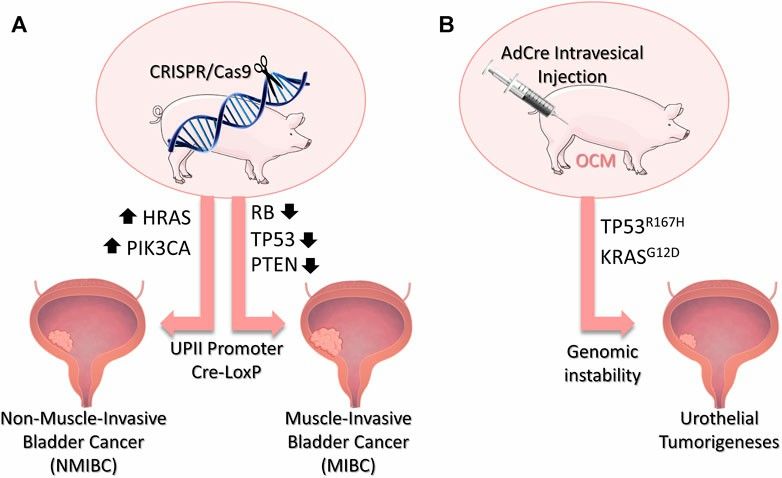 Fig.1 Potential genetic modifications in swine to develop bladder cancer models through CRISPR/Cas9 technology. (Zeng Y., et al. 2023)
GEMM and patient-derived xenograft (PDX) models are the most common in vivo models used in cancer research. These two approaches are considered complementary and can be used for different aspects of the disease. GEMM are usually induced by CRISPR-Cas9 and embryonic stem cell homologous recombination techniques. Their advantages are as follows:
| CRISPR-Cas9 Gene-Editing Technology |
ESC Homologous Recombination Technology |
- High quality: Create models with no random insertions and no serial recombination
- High efficiency: Our platform results in a higher success rate and shorter delivery cycle than traditional methods
- Multi-modification: Target multiple loci, multiple genes, and large fragments
- Multi-background: Models can be created on a variety of genetic backgrounds, including C57BL/6J, C57BL/6N, BALB/c, FVB, NOD/LTJ, and NCG
|
- Self-deletion of resistance genes can save 3 months in model generation time
- BAC shooting technology can achieve knock-in segments of 100-300kb
- Well-established technique in use since 2005 with more than 700 models successfully completed
- Models can be created on a variety of genetic backgrounds, including 129S6/SvEvTac and C57BL/6N
|
Our Services
Alfa Cytology, a renowned preclinical contract research organization (CRO), is at the forefront of advancing bladder cancer research through its comprehensive range of customization services for genetically engineered models. We provide our clients with genetically engineered models of different animals, such as mice, rats, pigs, and dogs, among others.
We provide animal models of bladder cancer induced by CRISPR-Cas9 and embryonic stem cell homologous recombination technology.
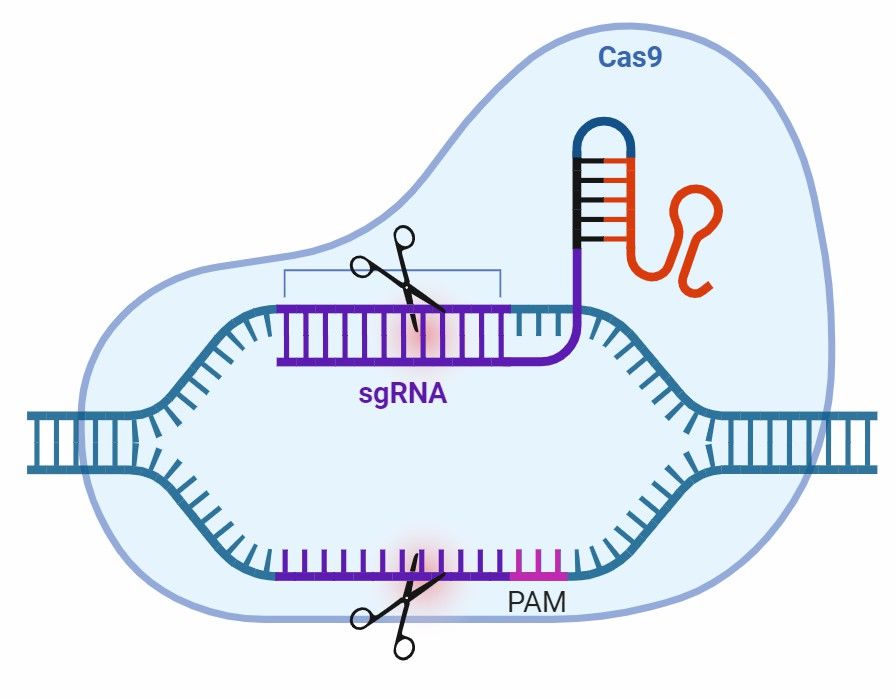
- Customized Mouse Models Created Using CRISPR-Cas9
We can design and generate mouse models with specific genetic alterations implicated in bladder cancer. By leveraging CRISPR-Cas9, we can introduce gene mutations, gene knockouts, or gene insertions into the mouse genome, enabling the study of their functional consequences in bladder cancer development and progression.
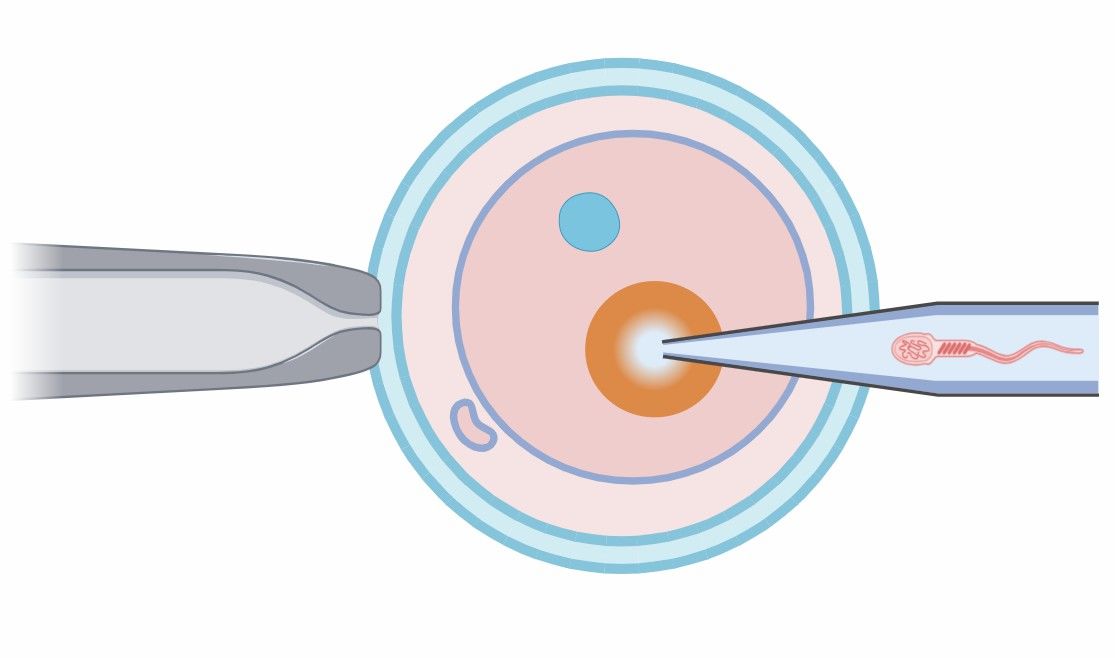
- Embryonic Stem Cell Homologous Recombination Technology for Creating Customized Mouse Models
Specific genetic alterations can be introduced into embryonic stem cells (ESCs), which can then be used to generate transgenic mouse models with the desired genetic modifications. By using ESC homologous recombination technology, our customers can study the functional consequences of more complex specific genetic alterations and study tumor development and progression.
Case Study - TP53/PTEN Conditional Knockout Orthotopic Bladder Cancer Model
Model Introduction
This model establishes a genetically engineered platform that faithfully recapitulates the development and progression of high-grade bladder cancer in humans. Relying entirely on endogenous genetic alterations without interference from exogenous reporter genes or antigens, this model provides an ideal tool with a clear genetic background and strong clinical relevance for studying bladder cancer pathogenesis, evaluating novel therapies targeting the PI3K/AKT/mTOR pathway, and investigating the tumor immune microenvironment.
Model Information
- Model: TP53/PTEN Conditional Double Knockout Orthotopic Bladder Cancer Model
- Animals: B6-background p53(fl/fl); Pten(fl/fl); UPII-Cre(+) Genetically Engineered Mice
- Age: 7-9 Weeks
Model Construction
The model is established through genetic breeding and site-specific recombination technology, with the key objective of achieving bladder epithelium-specific loss of gene function.
Step 1: Genetic Breeding
Widely available B6.129P2-Trp53(tm1Brn) (p53 floxed) mice are crossed with B6.129S4-Pten(tm1Hwu) (Pten floxed) mice to generate p53(fl/fl); Pten(fl/fl) double homozygous mice. These are then bred with UPII-Cre transgenic mice to ultimately produce the experimental cohort: p53(fl/fl); Pten(fl/fl); UPII-Cre(+) mice.
Step 2: Spontaneous Tumor Initiation and Monitoring
Driven by the UPII-Cre promoter, Cre recombinase is specifically expressed in the bladder urothelium, mediating the deletion of the TP53 and PTEN genes and initiating tumorigenesis.
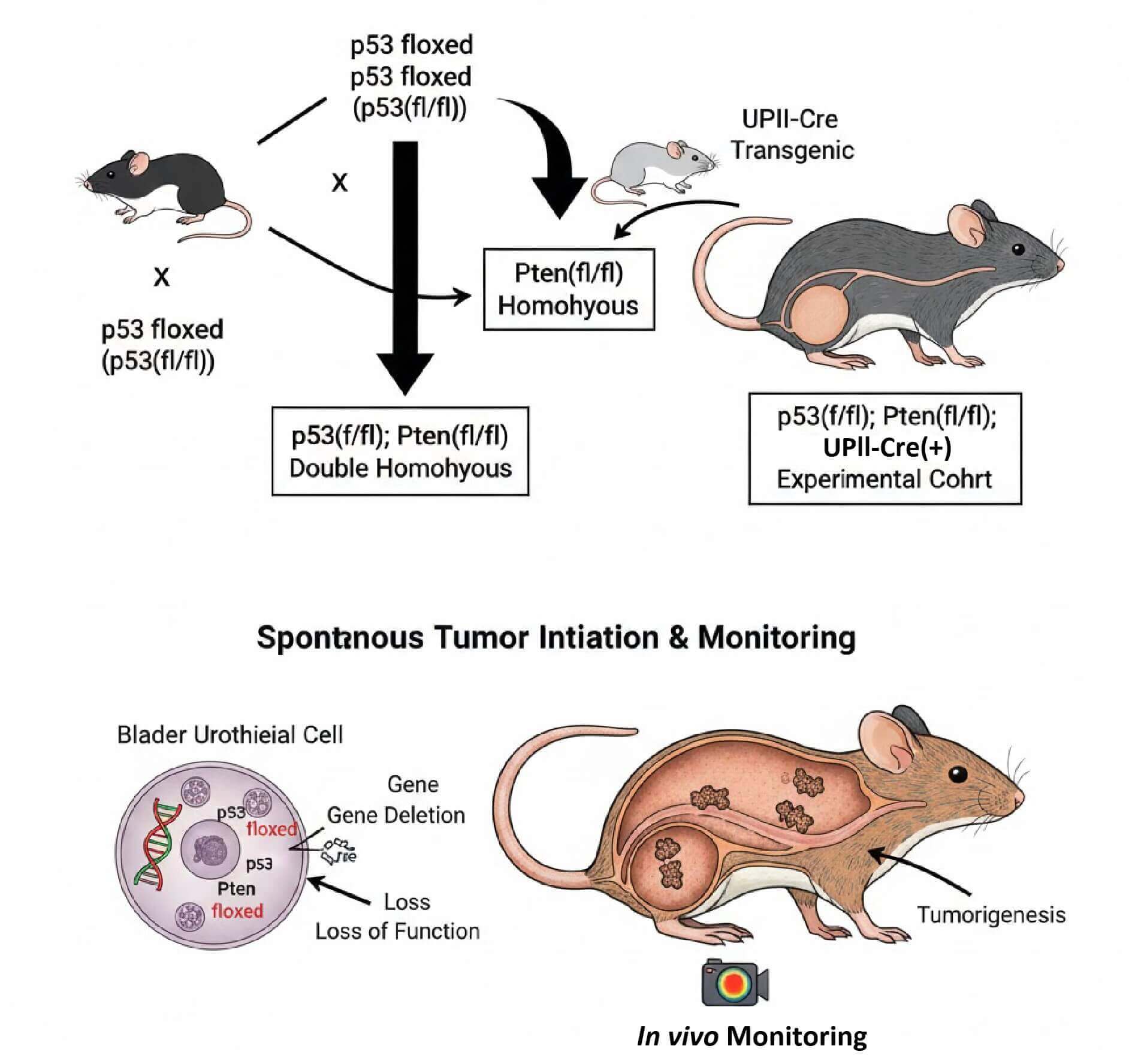 Fig. 2 Workflow for establishing the TP53/PTEN conditional knockout orthotopic bladder cancer model. (Source: Alfa Cytology)
Model Data
- High Tumor Incidence and Pathological Progression: The model demonstrates a bladder tumor incidence rate approaching 100%. Histopathological analysis confirms a well-defined progression through pre-neoplastic stages (CIS), non-muscle-invasive carcinoma (Ta/T1), and muscle-invasive carcinoma (T2+), accurately simulating human disease progression.
- Verification of Molecular Features: Transcriptomic analysis of tumor tissue reveals significant activation of the PI3K/AKT/mTOR signaling pathway and a high degree of similarity to the basal/squamous molecular subtype of human bladder cancer, confirming its clinical relevance at the molecular level.
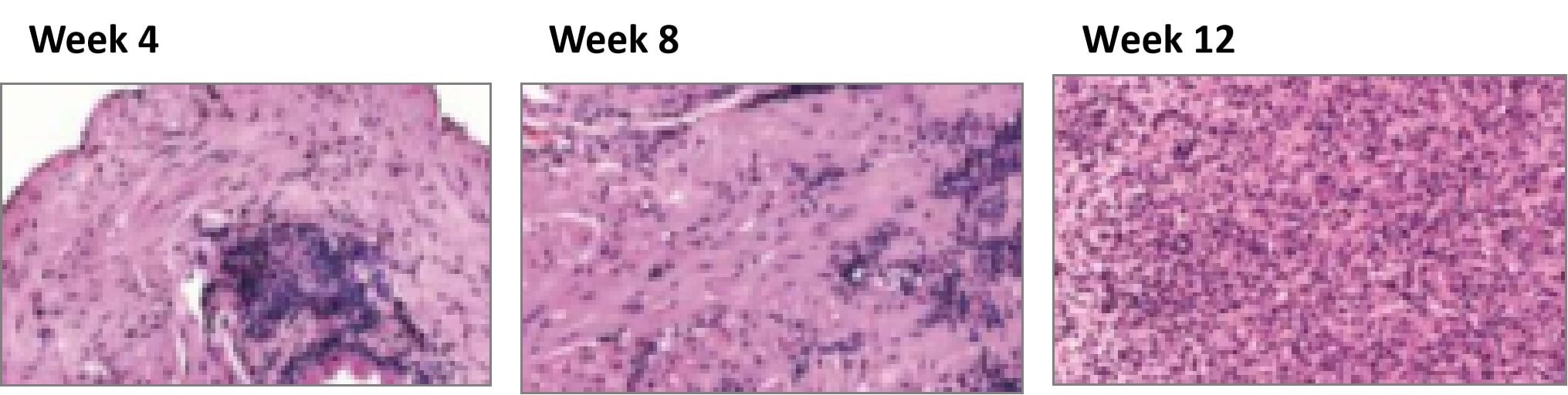 Fig. 3 Pathological progression of the TP53/PTEN conditional knockout orthotopic bladder cancer model. (Source: Alfa Cytology)
Contact Us
At Alfa Cytology, we offer comprehensive and cutting-edge services for the development of genetically engineered models (GEMs) specifically tailored for bladder cancer research. Our team of experienced scientists and researchers utilizes advanced genetic engineering techniques to create precise and reliable models that mimic the genetic alterations observed in human bladder cancer. If you have any needs, please contact us.
Reference
- Segatto NV, Bender CB, and et al. Perspective: Humanized Pig Models of Bladder Cancer. Front Mol Biosci. 2021, 17, 8: 681044.
For research use only. Not intended for any clinical use.
Related Services


