Bladder Cancer Organoid Development Service
Organoids are three-dimensional (3D) miniature structures cultured in vitro produced from either human pluripotent stem cells (hPSCs) or adult stem cells (AdSCs) derived from healthy individuals or patients that recapitulate the cellular heterogeneity, structure, and functions of human organs. Alfa Cytology provides customized bladder cancer organoid development service to cater to the specific needs of our customers.
Bladder Cancer Organoid
Bladder cancer organoids have emerged as a valuable tool for studying the intricacies of bladder cancer. Compared with traditional two-dimensional culture models, these three-dimensional (3D) cell cultures faithfully mimic the histological structure and microenvironment of bladder tumors, more stable genome, and more suitable for biological transfection and high-throughput screening, enabling researchers to investigate tumor biology, drug responses, and personalized treatment strategies.
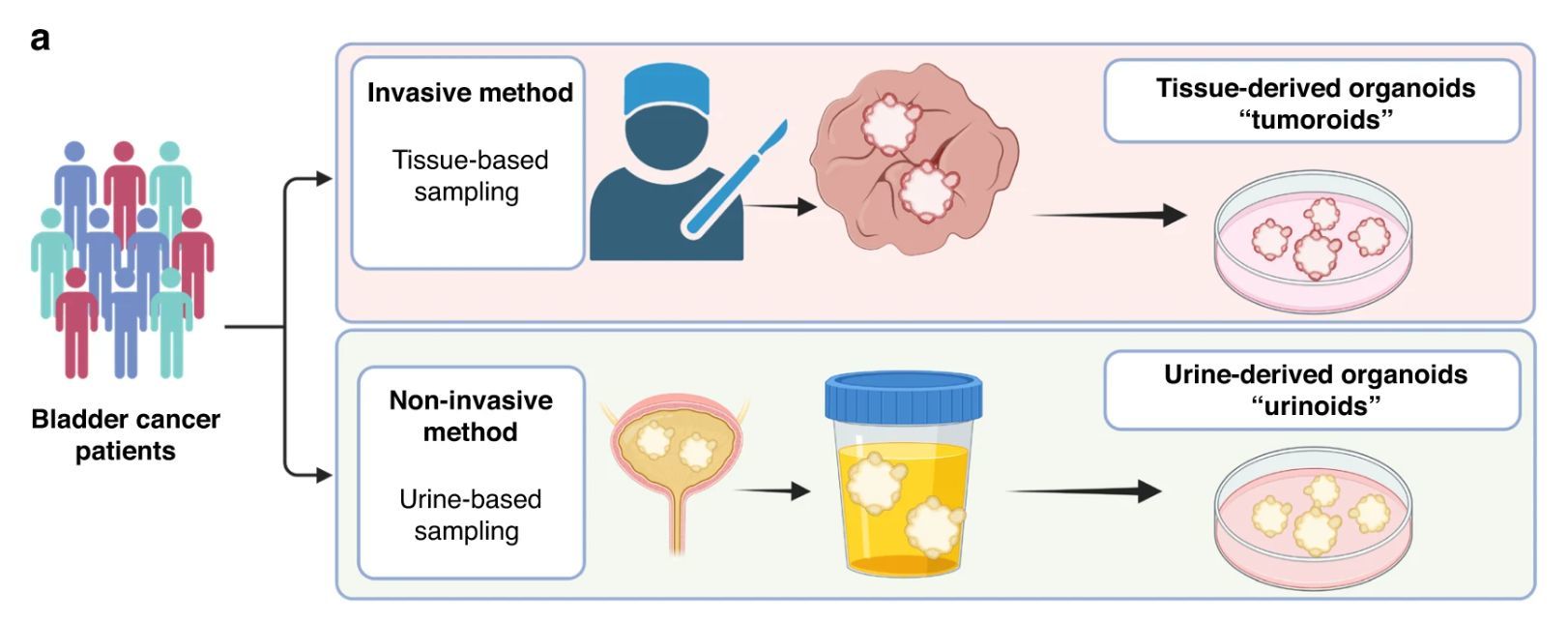 Fig.1 Schematic representation of non-invasive organoid sampling for bladder cancer patient stratification. (Viergever B. J., et al. 2024)
The non-invasive nature of urine sampling makes urine-derived bladder cancer organoids an attractive and patient-friendly approach. This innovative technology has the potential to revolutionize bladder cancer research, leading to improved diagnostics, therapeutic interventions, and patient outcomes.
Source of Organoids:
- Tissue-Derived Bladder Cancer Organoids
- Stem Cell-Derived Bladder Cancer Organoids
- Patient-Derived Bladder Cancer Organoids
- Urine-Derived Bladder Cancer Organoids
Our Services
We offer a range of services aimed at customizing and optimizing organoid models for various research and application purposes. Our expertise lies in applying advanced techniques in cell biology, tissue engineering, and genetic manipulation to engineer organoids with enhanced functionality and physiological relevance. Here are some of the services we provide:
- Organoid Design and Customization
This involves selecting appropriate cell types, optimizing culture conditions, and incorporating specific genetic modifications or labeling techniques as required.
- Genetic Engineering of Organoids
We employ state-of-the-art genetic engineering tools, such as CRISPR-Cas9, to introduce precise genetic modifications into organoids to model specific diseases or study the function of particular genes.
- Functional Analysis
We offer a range of functional assays to assess the behavior and characteristics of engineered organoids. This includes evaluating organoid response to stimuli, assessing differentiation potential, analyzing gene expression profiles, and performing drug screening studies.
Our Services Will Help You Achieve the Goals as Follows:
The bladder cancer organoid development service has a wide range of applications in bladder cancer research and drug development. The development of organoid models holds immense potential in advancing drug research, disease modeling, precision medicine, and regenerative medicine at the organ level.
Case Study - The Patient-Derived Bladder Cancer Organoid Model
Model Introduction
The patient-derived bladder cancer organoid (PDO) model is established from fresh human urothelial carcinoma tissue and cultured in a three-dimensional extracellular matrix. The model robustly recapitulates the histological architecture, molecular diversity, and phenotypic heterogeneity of primary bladder tumors, serving as a high-fidelity preclinical platform for studying tumor biology, drug screening, and personalized therapeutic strategy development.
Model Information
- Model: Patient-Derived Bladder Cancer Organoid (PDO) Model
- Origin: Derived From Fresh Human Bladder Tumor Specimens
Model Construction
The organoid model is constructed by dissociating fresh tumor tissue into cell clusters, which are then embedded in a growth factor-enriched Matrigel at a density of 15,000 cells per 50 µL for culture. Organoids are cultured for 7 days before passaging; only those reaching a diameter of ≥150 μm are selected. Following 3 passages (P3) of stable expansion in vitro, organoids are harvested, dissociated into single cells, and resuspended in 50% Matrigel at a concentration of 1×10⁶ cells per 100 µL for subcutaneous implantation into immunodeficient mice.
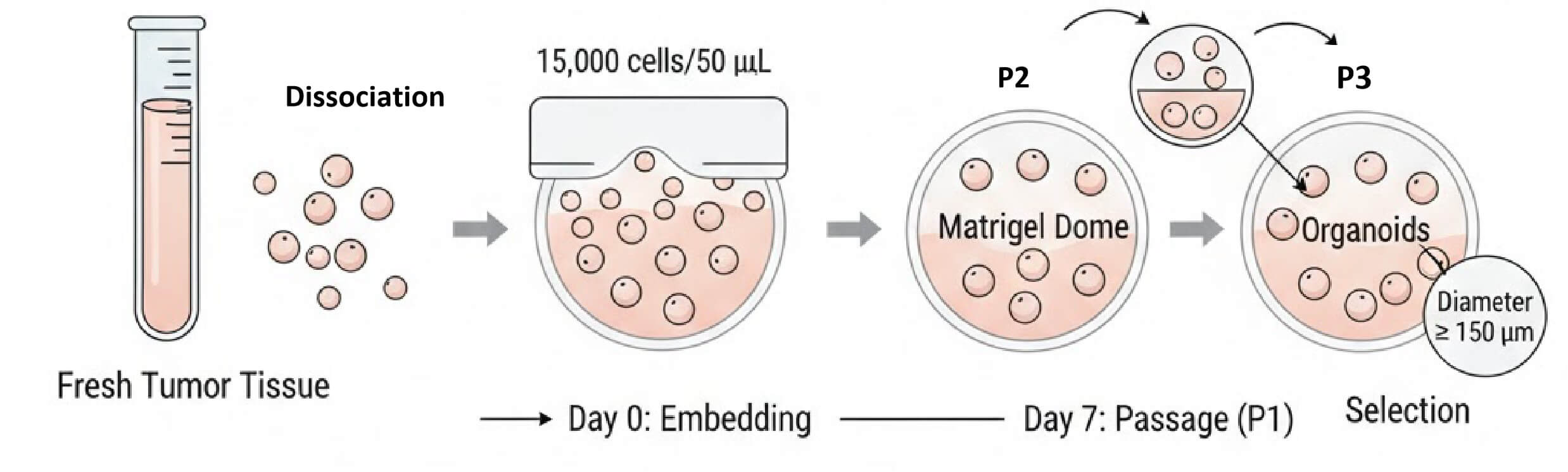 Fig. 2 Workflow for establishing the patient-derived bladder cancer organoid model. (Source: Alfa Cytology)
Model Data
- Genetic & Phenotypic Fidelity: The model retains the key driver mutations (e.g., FGFR3, TP53) and molecular subtypes of the parental bladder tumor across serial passages, supporting personalized drug response profiling.
- 3D Architecture: Self-organizes into spheroidal, glandular, or irregular structures that recapitulate the histopathological features of human urothelial carcinoma.
- Scalability & Biobanking: Capable of robust expansion and stable cryopreservation, supporting the establishment of living organoid biobanks for high-throughput screening and translational research.
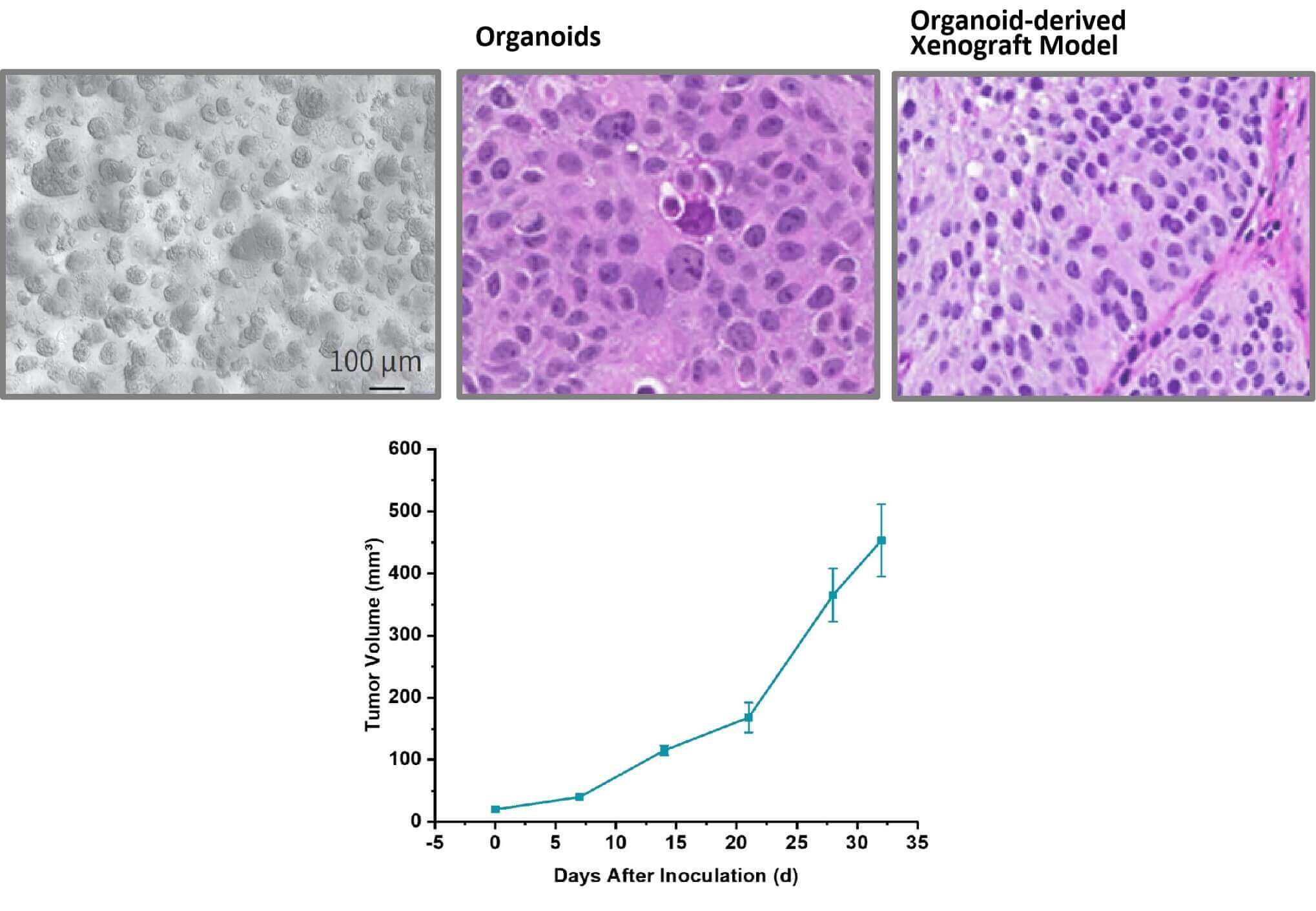 Fig. 3 Validation of the patient-derived bladder cancer organoid (PDO) model. Data are presented as mean ± standard error (SEM). (Source: Alfa Cytology)
Contact Us
At Alfa Cytology, we are dedicated to providing comprehensive preclinical CRO services in the field of bladder cancer. Our bladder cancer organoid development service offers a unique and innovative approach to accelerate research projects and facilitate early diagnosis and treatment options. Contact us today to learn more about how our services can support your bladder cancer research.
Reference
- Viergever B. J., Raats D. A. E., and et al. Urine-derived bladder cancer organoids (urinoids) as a tool for cancer longitudinal response monitoring and therapy adaptation. Br J Cancer. 130, 2024, 369–379.
For research use only. Not intended for any clinical use.
Related Services